
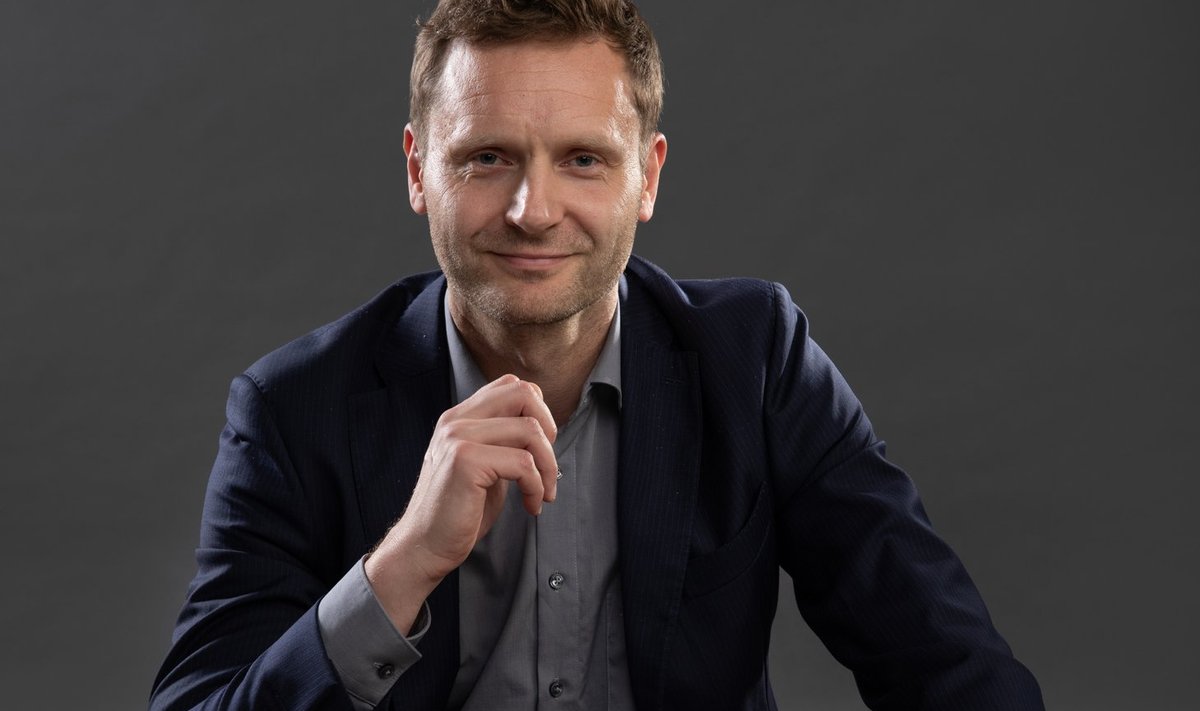

In conversation – death researcher Karl Käsnapuu and Kirna Manor host Reimo Lilienthal
Everyone interested in questions of life and death is welcome to listen and think along.
We will try to bring together Karl’s many years of research into near-death experiences in Estonia with new observations from his research trips to the traditional peoples of Southeast Asia, to wartime Ukraine, and from a scientific expedition to Mexico that ended only this spring.
We will discuss topics such as:
- Is there life after life?
- Where does a person go after death?
- How do our actions in this life affect life after death?
Karl Käsnapuu has studied near-death experiences for over 10 years, including collecting descriptions of more than 150 cases from Estonia. While one aspect of interest to researchers is whether, and in what way, near-death experiences describe the existence of the afterlife, another and perhaps even more important question during human life concerns the great wisdom and insights about life that are gained through these experiences.
In deeper near-death experiences, people may receive necessary knowledge about both their life purpose and the essence and goals of human life as a whole.
- Do our actions in this life matter, and if so, how?
- Would it be wise to consciously direct one’s life, and how?
Just like many traditional peoples, people who have gone through a near-death experience no longer fear death. But something else also sets them apart from the average person today – they are not afraid to live either.
- What are the understandings that give people the courage to rise above society’s and others’ opinions and live fully according to the calling of their heart?
NB! The conversation will take place in two parts (2×50 min) with a 45-minute break. Listeners will be able to ask questions if they wish.
Karl Käsnapuu
Karl Käsnapuu – death researcher, or thanatologist. He holds a master’s degree in religious studies from the University of Tartu, is a columnist for the magazine Eesti Naine, and a public speaker.
Having previously studied law, I made a kind of turning point in my life – I completed a bachelor’s degree in theology and a master’s degree in religious studies. In addition, I gained knowledge in the fields of social and behavioural sciences and bioethics – the latter especially in the Netherlands, where the discussion landscape surrounding death has developed to a unique level thanks to the long-standing practice of euthanasia.
During my studies, I discovered that there are many different stories in the world about death and the afterlife. Is one of them “more correct” than the others? What could one rely on if someone were to ask what happens after death? In my work with death studies, I have most often found myself observing different stories and attitudes toward death and the afterlife around the world; the fear of death and its connection with belief; and the phenomenon of near-death experiences. In real life, all kinds of subtopics are always connected, and what matters is knowing which question to ask. In any case, it is also good to note that science has proven that if a person deals with the question of death during their lifetime, it is more beneficial for them than avoiding the topic 🙂
Scientific interests: society and death, death culture, fear of death, and near-death experiences. Karl’s personal experience of facing death raised the question of what life and death are. This question has fascinated people since the beginning of time, and the answer to it influences the behaviour of both individuals and entire societies. How and what can be said about weighty questions surrounded by great uncertainty?
Reimo Lilienthal
Host of Kirna Manor, lecturer at the Holistic Institute on the topic “Death and Dying”, guide in conscious health and self-management, and personal development counsellor.
![[FULLY BOOKED!] Gourmet dinner at Kirna Manor - with Mia and Ferkle 18.07.2026](https://www.kirna.ee/wp-content/uploads/2026/03/steak-night-300x300.png)

![[FULLY BOOKED!] Lying-down concert. Summer Solstice GONG NIGHT at Kirna Manor – Tiina Karjatse 20.06.26](https://www.kirna.ee/wp-content/uploads/2026/04/Suvise-Pooripaeva-3-300x300.png)
